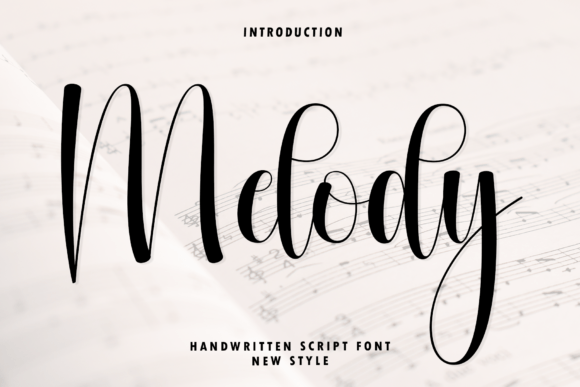
Melody: A Modern Script Font for Elegant Design
Every designer knows the search for a typeface that feels both personal and polished is a creative journey in itself. That search often ends with a font that can whisper sophistication and shout personality in equal measure. Enter Melody, a new style handwritten script font that masterfully blends contemporary energy with the timeless grace of skilled penmanship. It's more than just letters on a page; it's a visual instrument designed to compose beauty.
At its core, Melody is a premium script font characterized by its rhythmic, flowing letterforms. Imagine the confident strokes of a calligrapher's pen, translated into a digital format. You'll notice its slender, high-contrast strokes, tall ascenders that sweep upward, and graceful loops that create an airy, open feel. Its upright posture and subtly bouncy baseline avoid the overly casual look of many handwritten fonts, instead offering a sophisticated yet approachable aesthetic. This unique blend makes it a versatile creative font for a wide array of projects.
Where Melody Truly Shines
Understanding a font's strengths helps you apply it effectively. Melody’s design excels in contexts where elegance, authenticity, and a personal touch are paramount. It’s an extraordinary choice for projects that aim to feel handcrafted and luxurious.
Consider using this typeface for:
- Luxury Brand Identity: It delivers a sense of prestige perfect for boutique studio logos, high-end product packaging, and brand collateral for lifestyle businesses.
- Event Stationery: From musical event invitations to bespoke wedding suites and gala announcements, its lyrical elegance sets a refined tone.
- Digital Presence: Create standout social media headers, elegant website banners, and chic blog graphics that capture attention with effortless beauty.
- Creative Portfolios & Editorial: Use it for impactful titles, chapter headings in books, or pull quotes in magazines to add a layer of artistic flair.
When pairing Melody with other typefaces, think about contrast and harmony. A clean, geometric sans serif font or a simple serif font often makes an excellent companion, allowing Melody’s expressive character to take center stage without overwhelming the layout. This principle of font pairing is key to achieving visual consistency in any design project.
Tips for Choosing and Using This Typeface
Before you integrate any new font into your toolkit, a few practical considerations ensure it’s the right fit. First, always test readability. While Melody is designed for clarity, its best used for display purposes—think headlines, logos, and short phrases rather than lengthy body text. Its strength is in making a visual statement.
Next, match the font to your project’s mood. Does your design call for a sense of lyrical movement, romantic elegance, or modern sophistication? If yes, Melody is likely a strong candidate. Review all the available styles and glyphs; many premium fonts include alternate characters and swashes that offer additional design flexibility. Finally, verify the license aligns with your intended use, whether for personal projects or commercial client work.
The right typeface is a fundamental design asset. It does more than spell out words; it communicates feeling, establishes tone, and builds brand recognition. Choosing a well-crafted display font like Melody can elevate your work, transforming good designs into polished, professional presentations that resonate with your audience. It’s a tool that helps you write not just words, but visual stories.